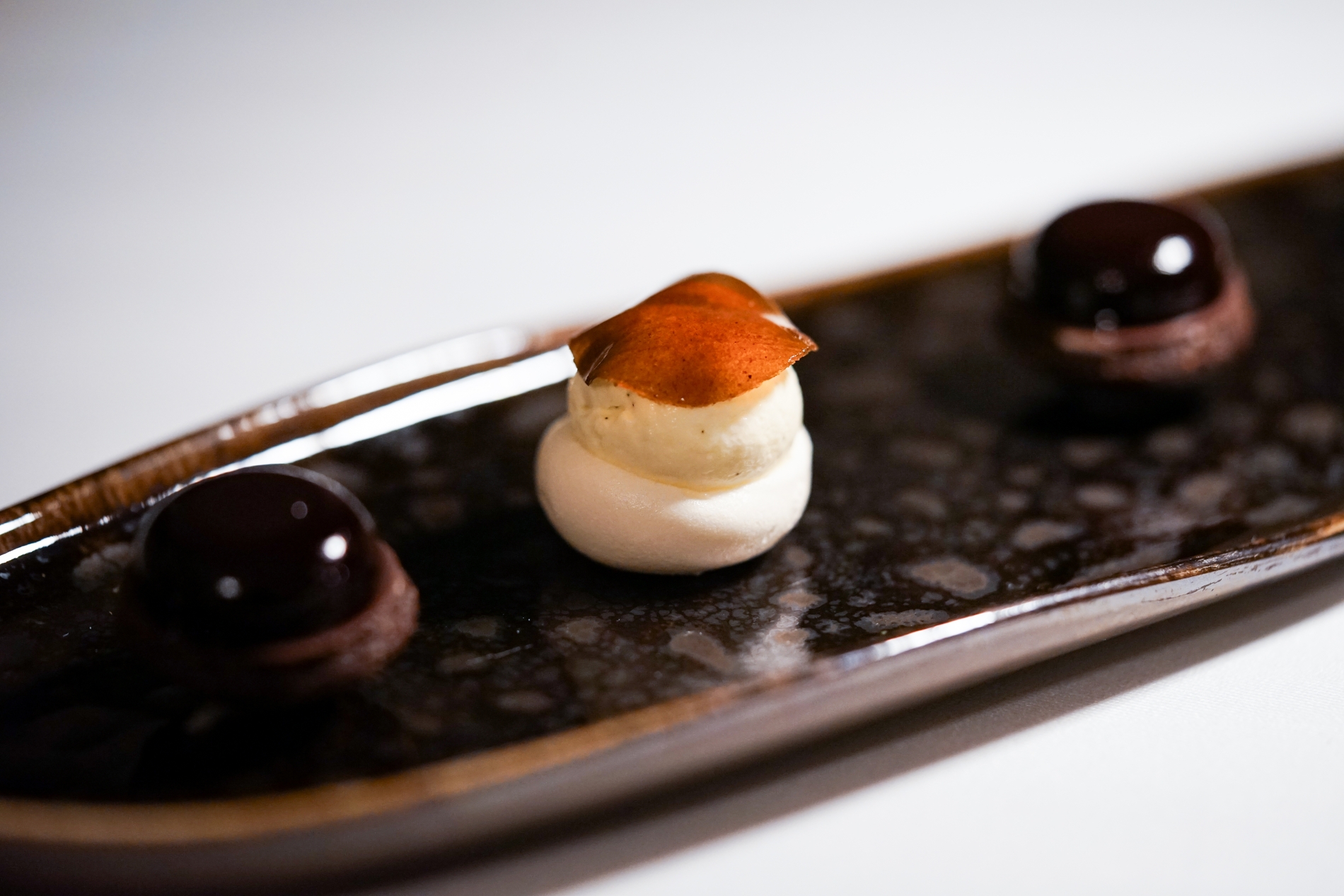

Old-school hospitality is finding a new audience.
A trolley rolls toward the table. A server begins carving, mixing, pouring, or finishing a dish while guests watch. For a few minutes, the dining room becomes part of the kitchen.
Tableside service was once closely associated with traditional fine dining, but restaurants are finding new ways to bring it back. Today’s version feels less formal and more experiential, combining classic hospitality with the desire for memorable dining.
Diners Want More Than a Meal
Restaurants now compete with excellent takeaway options, meal delivery, and increasingly sophisticated home cooking.
That has made experience an important part of dining out.
Tableside service gives guests something that can’t easily be delivered in a box. A Caesar salad mixed from scratch, fresh pasta finished beside the table, or a dessert flambéed moments before it is served turns dinner into something more memorable.
Traditional Hospitality Feels New Again
Many of today’s popular tableside techniques have been around for decades.
Carving trolleys, guéridon service, tableside sauces, and elaborate dessert presentations were once familiar features of luxury restaurants.
As dining became increasingly casual, many of these traditions disappeared.
Their return feels fresh partly because an entire generation of diners hasn’t regularly experienced them. What feels nostalgic to one guest may feel completely new to another.
The Human Element Matters
Technology has made restaurants more efficient. Reservations happen online, menus can be opened through QR codes, and orders can sometimes be placed without much interaction.
Tableside service moves in the opposite direction.
A skilled server can explain ingredients, tell the story behind a dish, answer questions, and adjust certain elements according to the guest’s preferences.
That personal interaction can make hospitality feel warmer and more individual.
Simple Dishes Become Special
Tableside preparation doesn’t always require flames, elaborate equipment, or theatrical presentation.
Something as simple as slicing bread, pouring a sauce, shaving cheese, or presenting a whole fish before portioning it can change how a dish feels.
The appeal comes from seeing the final step happen specifically for your table.
Restaurants can therefore create a sense of occasion without turning every course into a performance.
Social Media Plays a Role
There is no denying that tableside moments work well on camera.
Flames, dramatic pours, freshly shaved truffles, and beautifully arranged trolleys naturally attract phones. Guests share these moments, giving restaurants additional exposure online.
But the strongest tableside experiences work even when nobody records them.
If the presentation exists only for social media, the novelty can disappear quickly. The food and service still need to justify the attention.
Service Requires Real Skill
Successful tableside service places greater responsibility on front-of-house teams.
Servers need confidence, product knowledge, timing, and technical ability. They must perform the task smoothly while reading the table and knowing when conversation is welcome.
Done badly, tableside service can feel awkward or intrusive. Done well, it appears almost effortless.
A Return to the Theatre of Dining
The renewed interest in tableside service reflects something larger happening in restaurants.
After years of prioritizing speed and convenience, diners are showing renewed interest in rituals, craftsmanship, and personal hospitality.
Tableside service brings all three together.
It turns the simple act of serving food into part of the evening itself, reminding us why going to a restaurant can still feel completely different from eating the same dish at home.