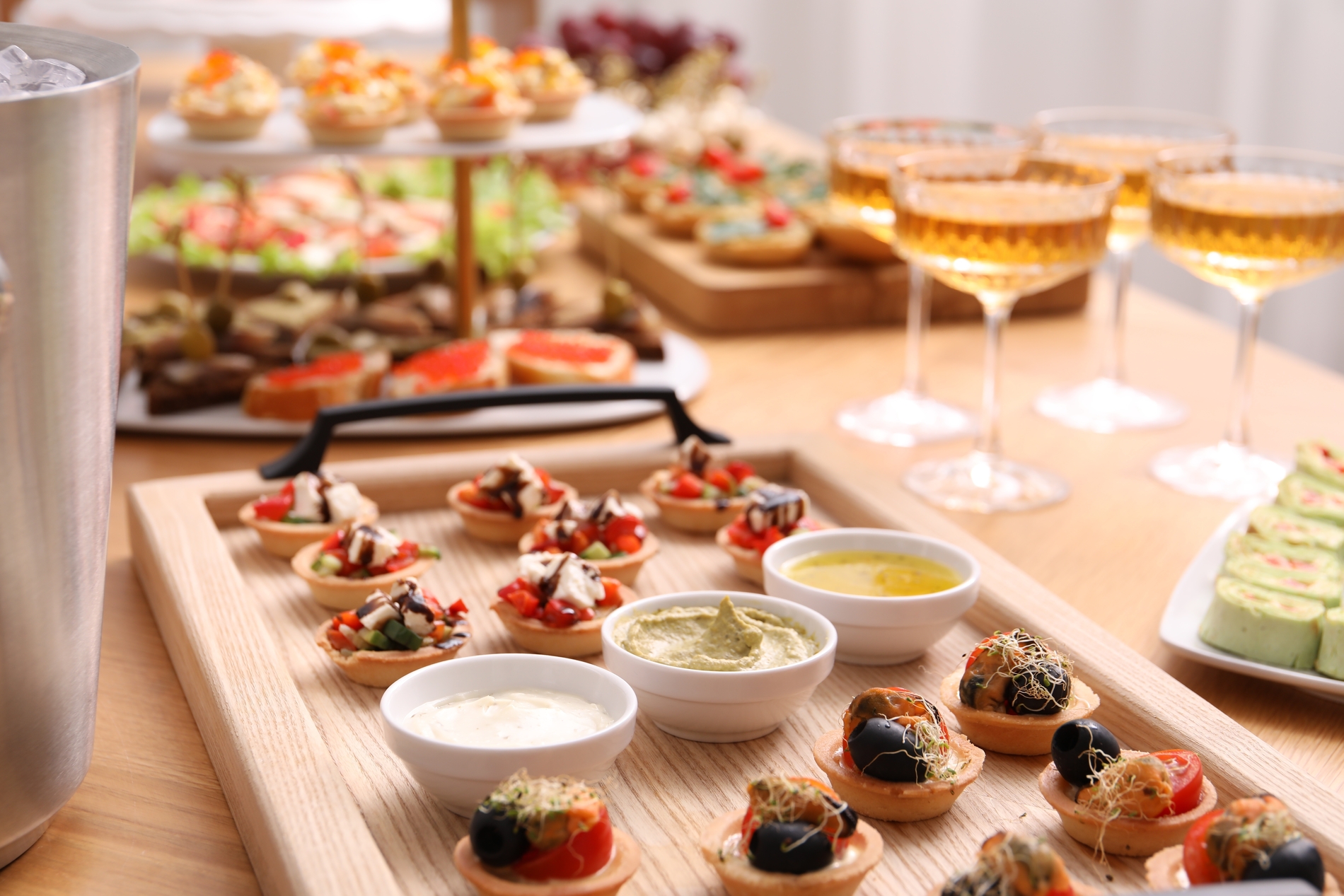

Good food brings people together, but thoughtful planning makes the evening unforgettable.
Hosting a dinner party is about more than preparing an impressive meal. It’s about creating an experience where guests feel comfortable, conversations flow naturally, and every course feels thoughtfully connected.
The perfect dinner party menu doesn’t need complicated recipes or expensive ingredients. Instead, it should balance flavors, textures, and presentation while allowing the host to enjoy the evening.
With a little planning, even a simple three-course meal can feel like a beautifully curated dining experience.
Start With the Occasion and Your Guests
Before choosing dishes, consider the type of evening you’re planning.
A casual gathering with close friends might call for comforting, shareable food, while a formal dinner could benefit from individually plated courses.
Think about the number of guests, their preferences, and any dietary restrictions.
Ask about allergies, vegetarian requirements, and foods guests prefer to avoid before finalizing your menu.
This small step makes everyone feel considered and prevents last-minute complications.
Build a Menu That Flows Naturally
A well-designed dinner menu should feel balanced from beginning to end.
Start with something light and flavorful, move toward a satisfying main course, and finish with a dessert that complements the meal.
For example, a refreshing tomato and burrata salad could lead into herb-roasted chicken with seasonal vegetables, followed by a delicate lemon tart.
If your main course is particularly rich, choose a lighter starter and dessert.
The goal is to create variety without making guests feel overwhelmed by heavy dishes.
Choose One Dish to Be the Highlight
Every memorable dinner party benefits from a standout dish.
This could be a beautifully roasted main course, handmade pasta, or an elegant dessert.
Rather than making every course elaborate, focus your energy on one impressive element and keep the supporting dishes relatively simple.
A slow-roasted lamb shoulder, for example, can become the centerpiece of the table when paired with straightforward sides.
This approach makes the meal feel special without creating unnecessary pressure in the kitchen.
Make the Most of Seasonal Ingredients
Seasonal ingredients bring freshness and character to a dinner party menu.
During warmer months, consider tomatoes, fresh herbs, citrus, and lighter preparations.
Cooler evenings are ideal for roasted vegetables, warming spices, and comforting dishes.
Seasonal produce can also inspire your table decorations.
A bowl of lemons, fresh greenery, or a few branches arranged in a vase can complement the food while creating a cohesive atmosphere.
Balance Flavors, Colors, and Textures
A memorable meal engages more than just the sense of taste.
Think about how different textures work together.
A creamy soup becomes more interesting with crisp croutons, while tender roasted vegetables benefit from a crunchy topping.
Color also plays an important role in presentation.
Bright herbs, colorful vegetables, and thoughtfully arranged garnishes can make simple dishes look inviting.
Avoid repeating the same dominant ingredient or cooking technique across every course.
Variety keeps the dining experience interesting.
Plan Dishes You Can Prepare Ahead
One of the most useful dinner party strategies is choosing recipes that don’t require constant attention.
Prepare desserts the day before whenever possible. Many cakes, mousses, and chilled desserts benefit from additional resting time.
Salad dressings, sauces, and vegetable preparations can often be completed earlier in the day.
Choose a main course that can be roasted, baked, or gently reheated without losing quality.
The less time you spend cooking after guests arrive, the more relaxed the evening will feel.
Create a Thoughtful Drinks Menu
Drinks should complement the meal without becoming another complicated task.
Offer a refreshing welcome drink, such as sparkling water with citrus, homemade lemonade, or a fruit-based mocktail.
Keep water readily available throughout dinner.
For a more coordinated experience, choose beverages that complement the flavors of your dishes.
A citrus-based drink, for example, pairs beautifully with lighter starters, while a spiced apple beverage can accompany autumn-inspired meals.
Offering appealing non-alcoholic options ensures every guest has something enjoyable to drink.
Finish With a Memorable Dessert
Dessert provides the final impression of your menu.
It doesn’t need to be extravagant, but it should feel like a satisfying conclusion.
A rich chocolate mousse, individual fruit tarts, or a simple vanilla panna cotta can all work beautifully.
Consider serving dessert with coffee or tea to encourage guests to linger around the table.
Small details, such as attractive dessert plates or fresh berries, can make the final course feel particularly special.
The Secret Is Making It Feel Effortless
The best dinner parties rarely feel overly structured.
Guests remember delicious food, warm hospitality, and the pleasure of spending time together more than complicated cooking techniques.
A thoughtfully planned menu allows each course to complement the next while giving the host freedom to enjoy the occasion.
Ultimately, the art of the perfect dinner party menu lies in creating something generous, balanced, and personal.
When the food is delicious and the atmosphere feels welcoming, even the simplest gathering can become a memorable evening.