
Champagne is one of the world’s most loved wines, and the least understood too.
Most people choose it by the name they recognize, which often means paying a premium for marketing rather than quality. Understanding a few things about how champagne works makes it much easier to find a bottle that is genuinely worth what you spend.
It Can Only Come from One Place
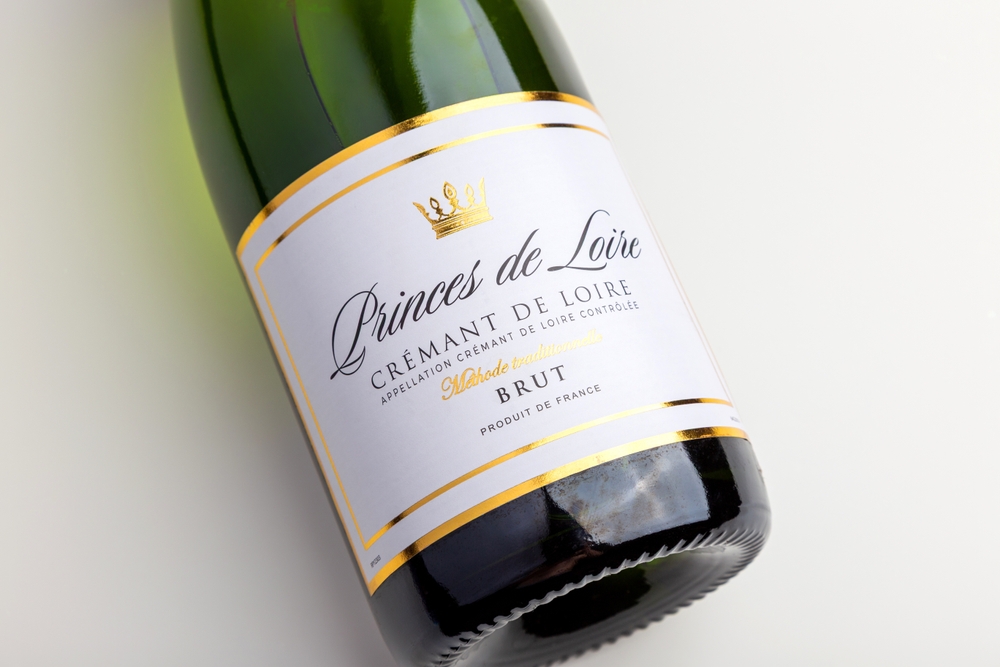
True champagne is produced exclusively in the Champagne region of northeastern France. It is a legally protected designation of origin. Sparkling wines made elsewhere, even using the same grapes and the same production method, cannot legally be called champagne. They go by other names: Crémant in France, Cava in Spain, Prosecco in Italy, Sekt in Germany.
When you see “Champagne” on a label, you know it was made under strict rules that govern the grape varieties used, the production method, and the minimum aging time in the cellar.
The Sweetness Scale, Explained
This is where most people get tripped up, because the terminology works in the opposite direction from what you would expect.
- Brut Nature (also called Brut Zéro): The driest style, with virtually no added sugar
- Extra Brut: Very dry
- Brut: Dry, and by far the most common style you will find
- Extra Dry (or Extra Sec): Slightly sweeter than Brut, despite the name suggesting otherwise
- Demi-Sec: Noticeably sweet, typically served alongside dessert
Extra Dry does not mean drier than Brut. It means less dry. If you prefer a crisp, dry champagne, go for Brut or Extra Brut.
What the Grape Blend Means
Most champagne is made from three grape varieties: Chardonnay, Pinot Noir, and Pinot Meunier. Some bottles give you more information about the blend:
- Blanc de Blancs: Made entirely from Chardonnay. Tends to be lighter, crisper, and more mineral.
- Blanc de Noirs: Made from Pinot Noir and/or Pinot Meunier but processed without skin contact, producing a white wine. Usually fuller-bodied with more weight.
- Rosé: Either blended with a small amount of red wine before the second fermentation, or made with brief skin contact. Both methods are permitted in Champagne, which is unusual compared to most other wine regions.
Non-Vintage vs. Vintage
Most champagne on the shelf is non-vintage, meaning it blends wines from several different harvest years. This is intentional, not a compromise. The winemaker’s job is to blend across years to produce a consistent house style. A good non-vintage champagne from a serious producer is excellent value and highly reliable.
Vintage champagne is made from grapes of a single declared harvest year, and not every year qualifies. Vintage bottles are generally more complex, more age-worthy, and more expensive.
Big Houses vs. Grower Producers
The names most people recognize, such as Moët & Chandon, Veuve Clicquot, Bollinger, and Louis Roederer, are large négociant houses. They buy grapes from many growers across the region and blend them to produce consistent champagne at volume.
Grower champagnes come from producers who grow their own grapes and bottle their own wine. They are usually smaller, more site-specific, and less well known. On the label, look for “RM” (Récoltant-Manipulant) in small print near the producer details. Large houses carry “NM” (Négociant-Manipulant).
Grower champagnes are not automatically better, but they offer something different: more character tied to a specific place, and often stronger value relative to quality.
Prestige Cuvées
Every major house produces a top-tier bottle: Dom Pérignon from Moët & Chandon, Cristal from Louis Roederer, La Grande Dame from Veuve Clicquot, Comtes de Champagne from Taittinger. These are genuinely outstanding wines. They are also priced to reflect their prestige as much as their contents.
A prestige cuvée from a well-regarded but less famous house often competes in quality at a meaningfully lower price. Unfamiliar does not mean inferior.
Putting It Together
If you are newer to champagne, start with a Brut non-vintage. It is the most versatile style and gives you a clear baseline to compare from. If you want to spend more thoughtfully, look for a Blanc de Blancs from a grower producer, or explore houses like Billecart-Salmon or Pol Roger, both of which consistently offer strong quality for the price.
Once you know how to read the label, most of the mystery disappears. The bottle tells you more than you might expect.