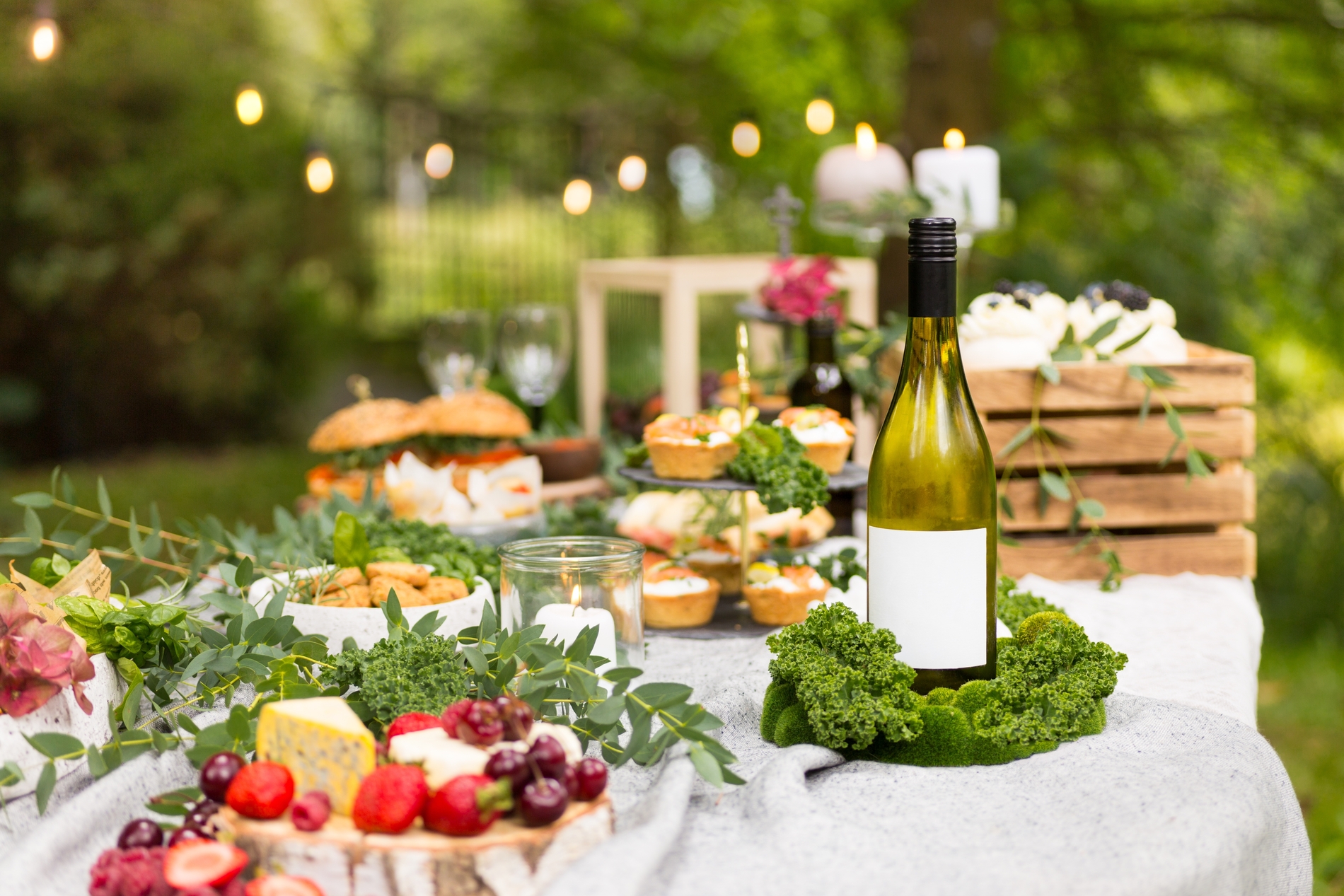

Modern luxury dining is becoming less about extravagance and more about freshness, quality, seasonality, and knowing exactly where your food comes from.
For years, luxury dining was associated with rare ingredients, elaborate presentation, and formal service. Those things still have their place, but the idea of what makes a meal special is changing.
Today, some of the most memorable restaurant experiences begin with something surprisingly simple: excellent ingredients grown or produced close to where they’re served. Farm-to-table dining has turned freshness, seasonality, and local relationships into important parts of modern luxury.
Freshness Becomes the Main Attraction
When ingredients don’t have to travel enormous distances before reaching the kitchen, chefs can work with produce at its best.
A tomato picked when perfectly ripe can bring more character to a dish than an expensive ingredient flown halfway around the world. Fresh herbs, seasonal vegetables, locally produced cheese, and carefully sourced meat can make relatively simple dishes feel exceptional.
Instead of covering ingredients with complicated techniques, farm-to-table cooking often allows their natural flavors to lead.
Menus Change With the Seasons
One of the pleasures of farm-to-table dining is that the menu doesn’t necessarily stay the same throughout the year.
Spring might bring asparagus, peas, herbs, and lighter dishes. Summer introduces tomatoes, berries, stone fruits, and colorful vegetables. Autumn brings mushrooms, squash, apples, and deeper flavors, while winter encourages chefs to work with preserved ingredients and heartier produce.
That constant change creates anticipation. Returning to the same restaurant several months later can feel like having a completely different experience.
Knowing the Story Behind Your Food
Modern diners are increasingly interested in where their food comes from.
Restaurants may name the farm supplying their vegetables, explain where their cheese was produced, or highlight relationships with local growers and fishermen. That information gives a dish more context.
You’re no longer simply eating an ingredient. You’re learning something about the people, landscape, and traditions behind it.
For many diners, that connection feels more meaningful than traditional ideas of luxury built entirely around price.
Simplicity Can Feel More Luxurious
Farm-to-table dining has also helped change expectations around presentation.
Luxury doesn’t always need to mean towering plates filled with decorative elements. A beautifully cooked piece of fish with seasonal vegetables can feel just as refined when every ingredient has been carefully selected.
The luxury is in the attention.
Someone chose the produce at the right moment, built relationships with suppliers, created the menu around what was available, and prepared everything thoughtfully.
Local Doesn’t Automatically Mean Better
Farm-to-table has become such an attractive phrase that it’s worth remembering that local sourcing alone doesn’t guarantee quality.
A responsible restaurant still needs to choose excellent suppliers, handle ingredients properly, and cook them well. Sometimes the best ingredient for a particular dish may come from farther away.
The strongest farm-to-table restaurants aren’t simply trying to make everything local. They’re making thoughtful sourcing decisions.
Sustainability Adds Another Layer
Shorter supply chains can sometimes reduce transportation and give restaurants closer relationships with the people producing their food. Seasonal menus may also encourage kitchens to work with ingredients when they’re naturally available.
There can be economic benefits too. Restaurants buying directly from nearby producers can help support smaller farms and food businesses within the region.
Luxury Is Becoming More Personal
Perhaps the biggest reason farm-to-table dining feels luxurious is that it offers something increasingly valuable: a sense of place.
You can eat a standardized meal almost anywhere in the world. A restaurant serving ingredients connected to its surrounding farms, seasons, and food traditions offers something harder to reproduce.
That experience belongs to a particular place and moment.
Modern luxury dining isn’t only about having more. Increasingly, it’s about having something fresher, more thoughtful, and more connected to where you are.