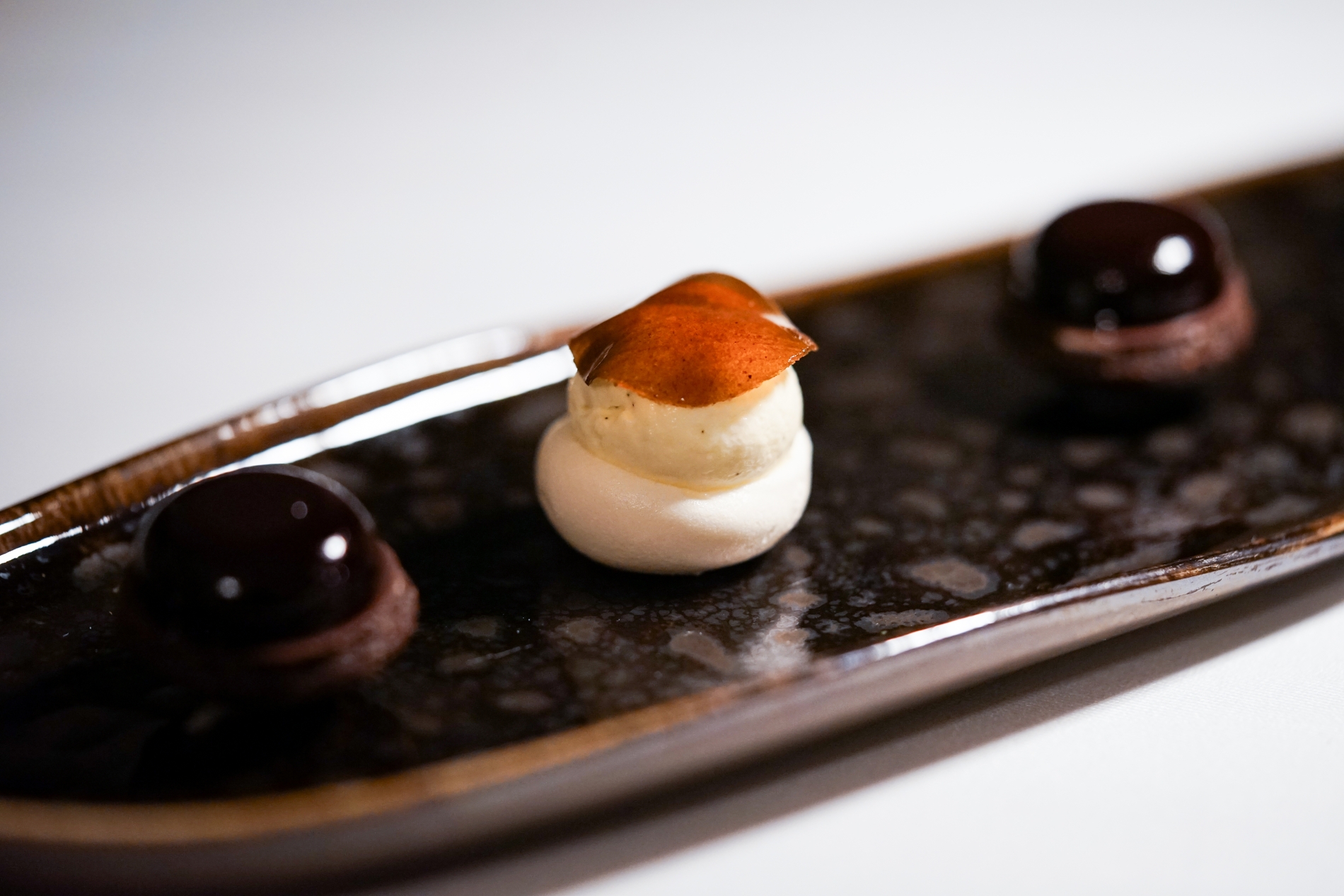

Where every course tells a delicious story.
Dining out is usually about choosing something delicious from a menu, enjoying good company, and leaving satisfied. But a tasting menu offers something entirely different. Instead of selecting individual dishes, guests are invited to experience a carefully planned sequence of courses designed by the chef.
From unexpected flavor combinations to artistic presentations, tasting menus transform an ordinary evening into a memorable culinary journey.
The Story Behind Every Course
A tasting menu is more than a collection of small dishes. Each course is thoughtfully arranged to create a particular rhythm throughout the meal.
A dinner might begin with something light and refreshing, move toward richer flavors, and finish with delicate desserts.
Some chefs build menus around seasonal ingredients, while others draw inspiration from childhood memories, cultural traditions, or regional cuisine.
This storytelling element makes the experience feel personal, giving diners a glimpse into the chef’s creative perspective.
Discovering Flavors You Wouldn’t Normally Choose
One of the most exciting aspects of a tasting menu is the opportunity to try unfamiliar ingredients.
When ordering from a traditional menu, people often gravitate toward dishes they already know they enjoy.
A tasting menu removes some of that decision-making and encourages guests to explore.
You might discover an unexpected pairing of citrus and seafood, a vegetable prepared in an unfamiliar way, or a dessert combining sweet and savory elements.
These surprises often become the most memorable parts of the evening.
Presentation Becomes Part of the Experience
In tasting-menu restaurants, presentation receives almost as much attention as flavor.
Chefs carefully consider the placement, color, and texture of every ingredient.
A small dish might arrive on handcrafted ceramic tableware, while another may feature a dramatic arrangement inspired by nature.
These details create anticipation before the first bite.
However, beautiful presentation works best when it supports the food rather than distracting from it. The most successful dishes balance visual creativity with genuinely satisfying flavors.
The Importance of Timing and Service
Unlike conventional dining, where courses may arrive according to individual orders, tasting menus follow a carefully managed pace.
Restaurant teams coordinate each dish so guests have time to enjoy the flavors without feeling rushed.
Servers may explain the ingredients, preparation techniques, or inspiration behind each course.
This interaction adds another dimension to the meal, helping guests appreciate the work involved.
Thoughtful service makes the experience feel seamless rather than overly formal.
Beverage Pairings Add Another Layer
Many tasting menus offer optional beverage pairings designed to complement individual courses.
Wine remains a popular choice, but restaurants increasingly provide creative non-alcoholic alternatives, including botanical infusions, specialty teas, and fermented drinks.
A well-chosen pairing can highlight subtle flavors or create an interesting contrast.
For example, a crisp, acidic drink might balance a rich dish, while a fragrant tea could complement a delicate dessert.
The pairing becomes part of the culinary experience rather than simply something served alongside the food.
Seasonal Ingredients Keep Menus Interesting
Seasonality plays an important role in many tasting-menu restaurants.
Chefs often change their offerings according to the ingredients available at different times of the year.
Spring might inspire dishes featuring tender vegetables and fresh herbs, while autumn menus may highlight mushrooms, squash, and warming spices.
This approach encourages creativity and gives returning guests something new to discover.
It also creates a stronger connection between the meal and the place where it is served.
Why Tasting Menus Feel Special
A tasting menu encourages diners to slow down and appreciate details that might otherwise go unnoticed.
Instead of focusing on one main course, guests experience a progression of flavors, textures, aromas, and ideas.
The anticipation of the next dish becomes part of the enjoyment.
For celebrations, special occasions, or simply an evening of culinary exploration, this sense of discovery can make dinner feel especially memorable.
More Than Just a Meal
The appeal of a tasting menu lies in its ability to turn food into an experience.
Every course contributes to a larger story, while thoughtful service, presentation, and atmosphere bring that story to life.
The result isn’t simply a collection of beautifully prepared dishes. It’s an evening designed to be remembered long after the final course has been served.