
A thoughtful look at what truly defines elegance on the plate
Fine dining is often associated with sophistication and artistry, yet its essence is rooted in simplicity, intention, and respect for craft. At its core, fine dining is not about excess or complexity. It is about honoring ingredients, applying technique with care, and presenting food in a way that elevates the entire experience. When understood properly, fine dining becomes an expression of culture, patience, and refined taste.
This guide explores the three pillars that shape fine dining and explains how they come together to create memorable moments at the table.
The Role of Ingredients
Ingredients form the foundation of fine dining. Quality is the starting point, but intention is what gives ingredients meaning. Chefs select produce, proteins, and spices based on seasonality, origin, and freshness. Each component is chosen to contribute balance, depth, and harmony to the dish. Respect for ingredients means allowing them to speak for themselves. Flavors are not masked or overwhelmed. Instead, they are supported through thoughtful pairing and restraint. A single vegetable, when sourced and prepared with care, can carry as much presence as an elaborate composition. Fine dining values transparency. Knowing where ingredients come from and how they are treated reflects a deeper appreciation for the craft and the environment that sustains it.
Technique as a Form of Discipline
Technique in fine dining is precise and deliberate. It is not performed for spectacle, but for consistency and refinement. Cooking methods such as slow roasting, gentle poaching, controlled fermentation, and exact timing are used to bring out the best in each ingredient. Mastery of technique requires patience and repetition. Chefs refine their skills over years, learning when to intervene and when to step back. This discipline ensures that every dish meets the same standard, regardless of how simple it may appear. Technique also reflects respect for tradition while allowing room for interpretation. Innovation in fine dining grows from understanding fundamentals, not bypassing them.
Presentation as Visual Language
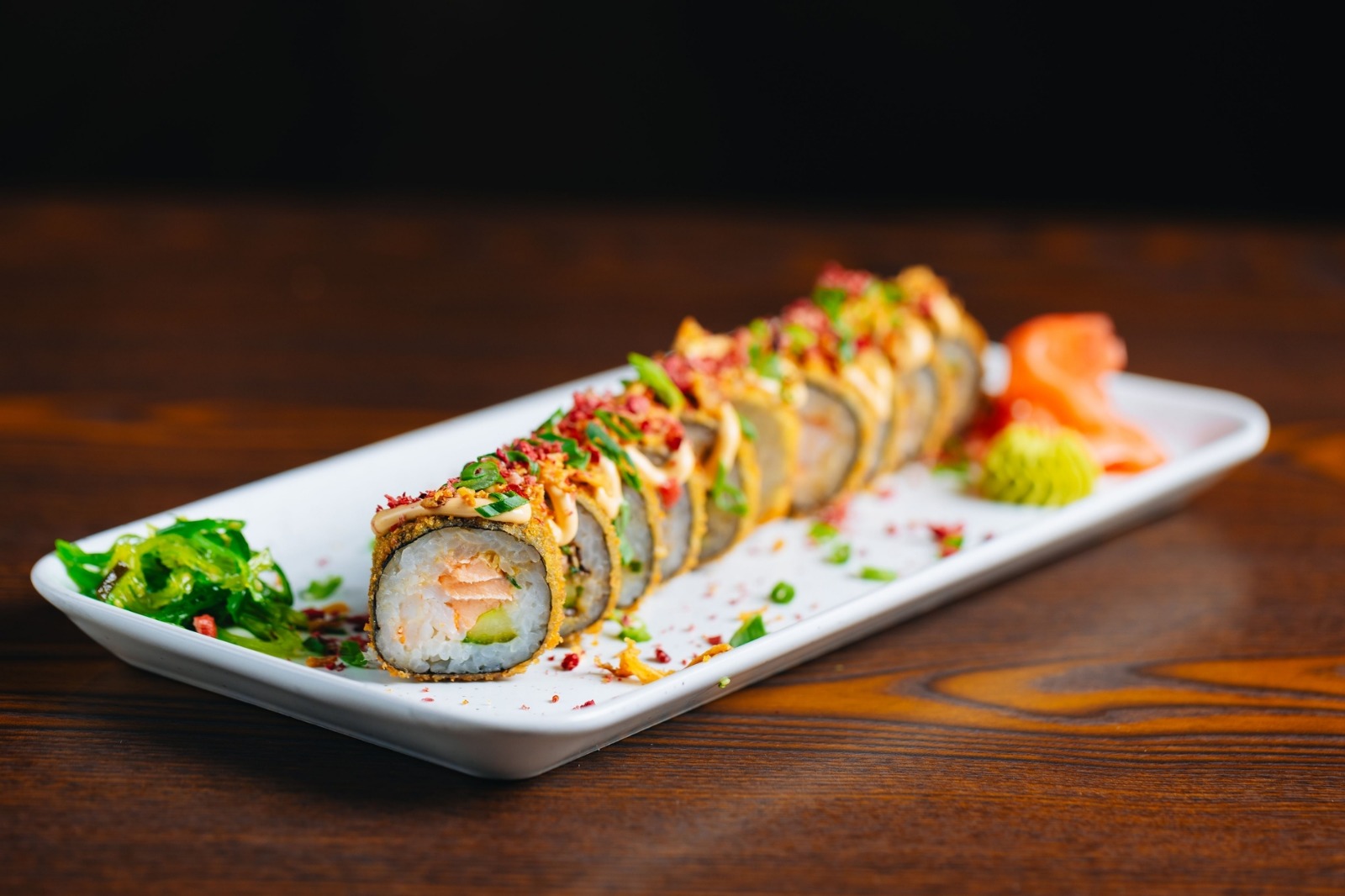
Presentation is the first interaction a guest has with a dish. In fine dining, visual composition is intentional and restrained. Plates are designed to guide the eye, create balance, and reflect the character of the food. Every element on the plate has a purpose. Space is used thoughtfully. Color, texture, and form are considered with the same care as flavor. The goal is not decoration, but clarity. A refined presentation invites curiosity without demanding attention. It enhances anticipation and prepares the guest for the experience ahead.
The Experience Beyond the Plate
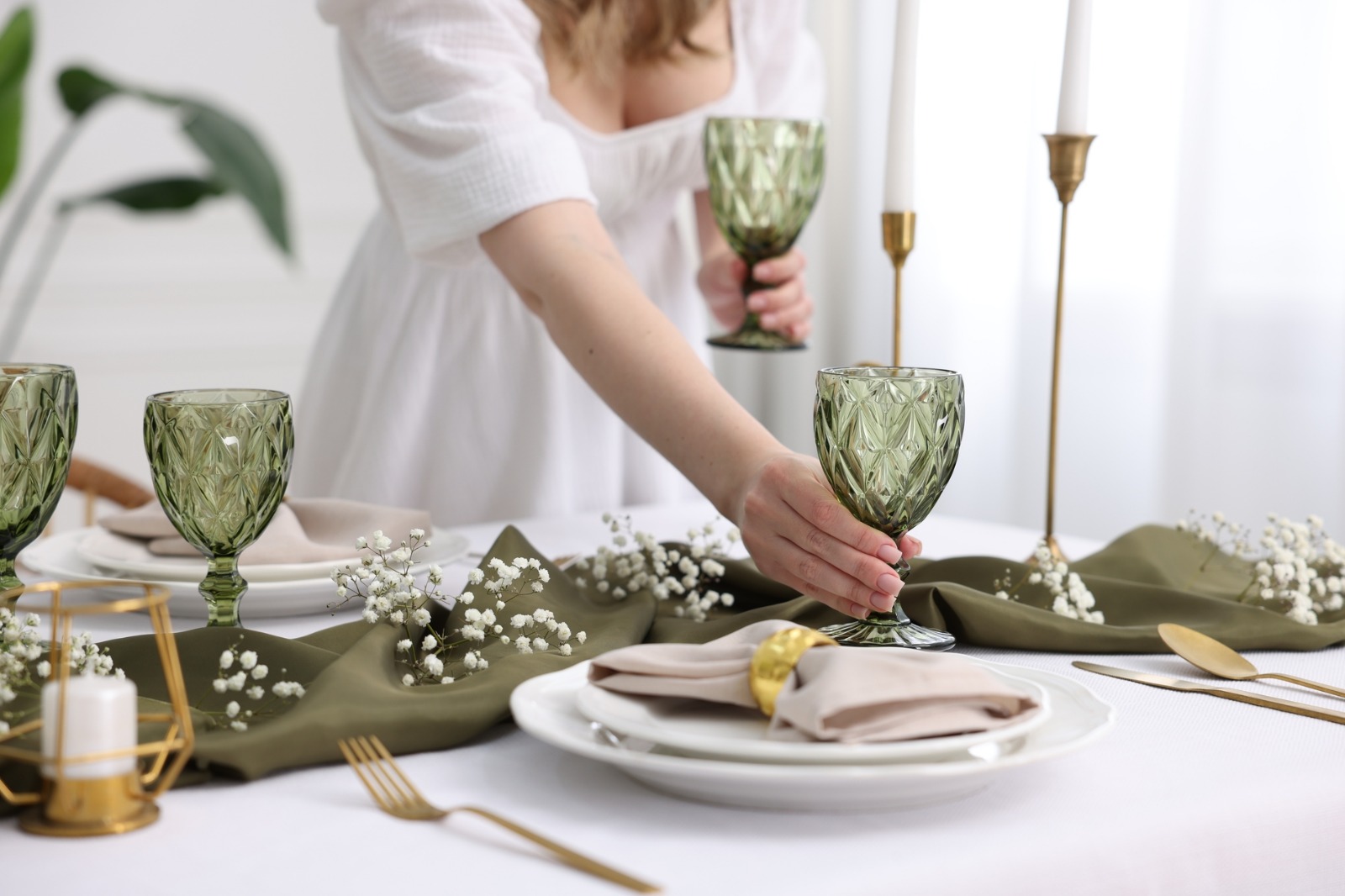
Fine dining extends beyond food alone. Service, pacing, atmosphere, and attention to detail shape the overall experience. Each element supports a sense of ease and presence, allowing guests to fully engage with the moment. When ingredients, technique, and presentation align, fine dining feels effortless. It creates space for connection, conversation, and appreciation. Understanding fine dining is not about memorizing rules. It is about recognizing intention, care, and balance. When approached with curiosity and respect, fine dining becomes less intimidating and more inviting, offering an experience that feels both elevated and deeply human.