
Where Good Manners Quietly Take Root
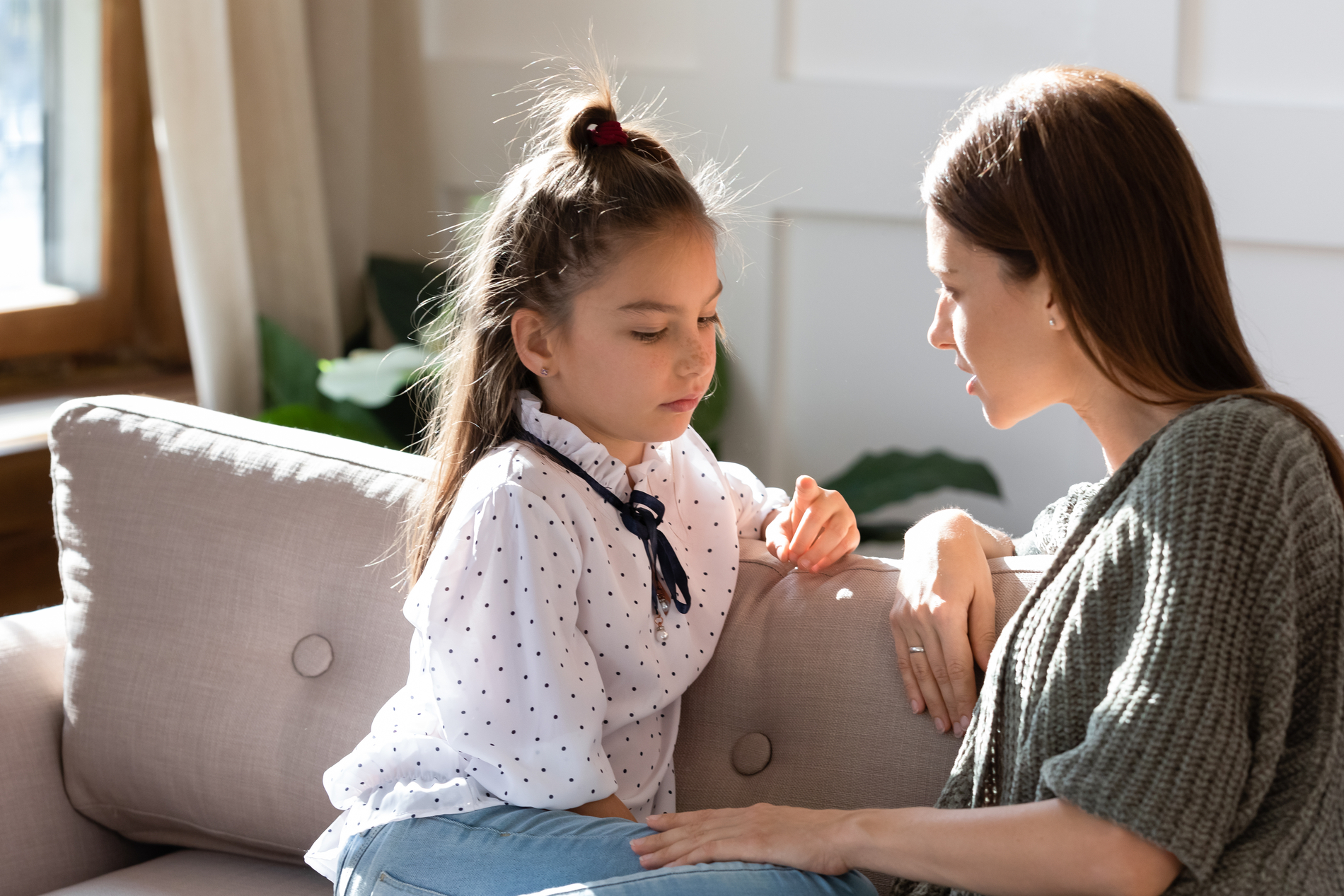
Good manners usually begin at home, often in the middle of ordinary moments like family dinners, greeting visitors, or sharing space with others. Children naturally learn how to behave by watching the people around them. When parents practice kindness, patience, and respect, those habits slowly become part of a child’s daily life as well.
Teaching etiquette does not mean turning the home into a strict environment. It simply means guiding children toward thoughtful behavior so they feel comfortable and confident in different social situations. Over time, these small lessons help them carry themselves with quiet confidence and genuine consideration for others.
Start With Everyday Manners
Small habits form the foundation of good etiquette. When children practice these actions regularly, they begin to see politeness as part of normal behavior rather than something forced.
Some simple manners to introduce early include:
- Saying please, thank you, and excuse me
- Greeting guests politely when they visit
- Listening when someone else is speaking
- Speaking in a calm and respectful tone
- Showing appreciation when someone helps them
Gentle reminders are often enough. With time, these habits become natural.
Make the Dinner Table a Learning Space
Family meals create a relaxed setting where children can practice both table manners and conversation. These moments help them understand patience, listening, and respectful interaction.
Useful table habits to encourage include:
- Sitting properly at the table
- Waiting until everyone is served before starting
- Using utensils correctly
- Chewing with the mouth closed
- Joining conversations politely
A pleasant dinner atmosphere makes it easier for children to learn these skills without pressure.
Teach Social Awareness
Etiquette also involves understanding how actions affect other people. When children learn to notice the needs and comfort of others, they develop stronger social awareness.
Parents can guide them to:
- Offer help when someone needs assistance
- Be considerate in shared spaces
- Speak kindly during disagreements
- Show gratitude for gifts or favors
These habits build empathy along with good manners.
Lead by Example
Children pay close attention to the behavior they see at home. When parents treat others with patience and respect, those actions become a powerful example.
Simple gestures such as greeting people warmly, thanking service staff, or listening carefully during conversations quietly teach children how to behave in the world.
Over time, these everyday examples shape the way children carry themselves. The goal is not perfection. It is helping them grow into thoughtful individuals who treat others with kindness and confidence.