
Where restraint, craft, and confidence replace logos and noise
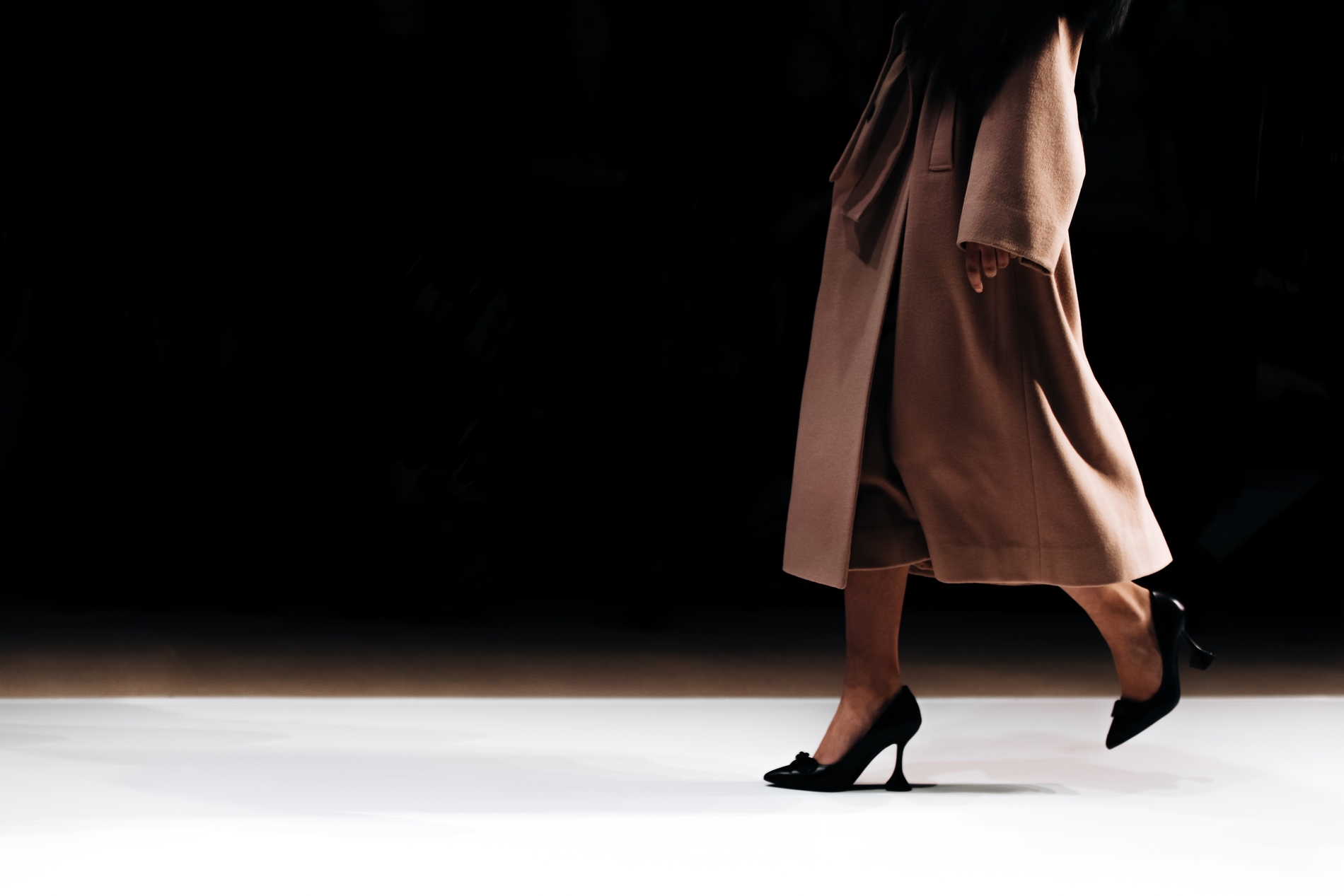
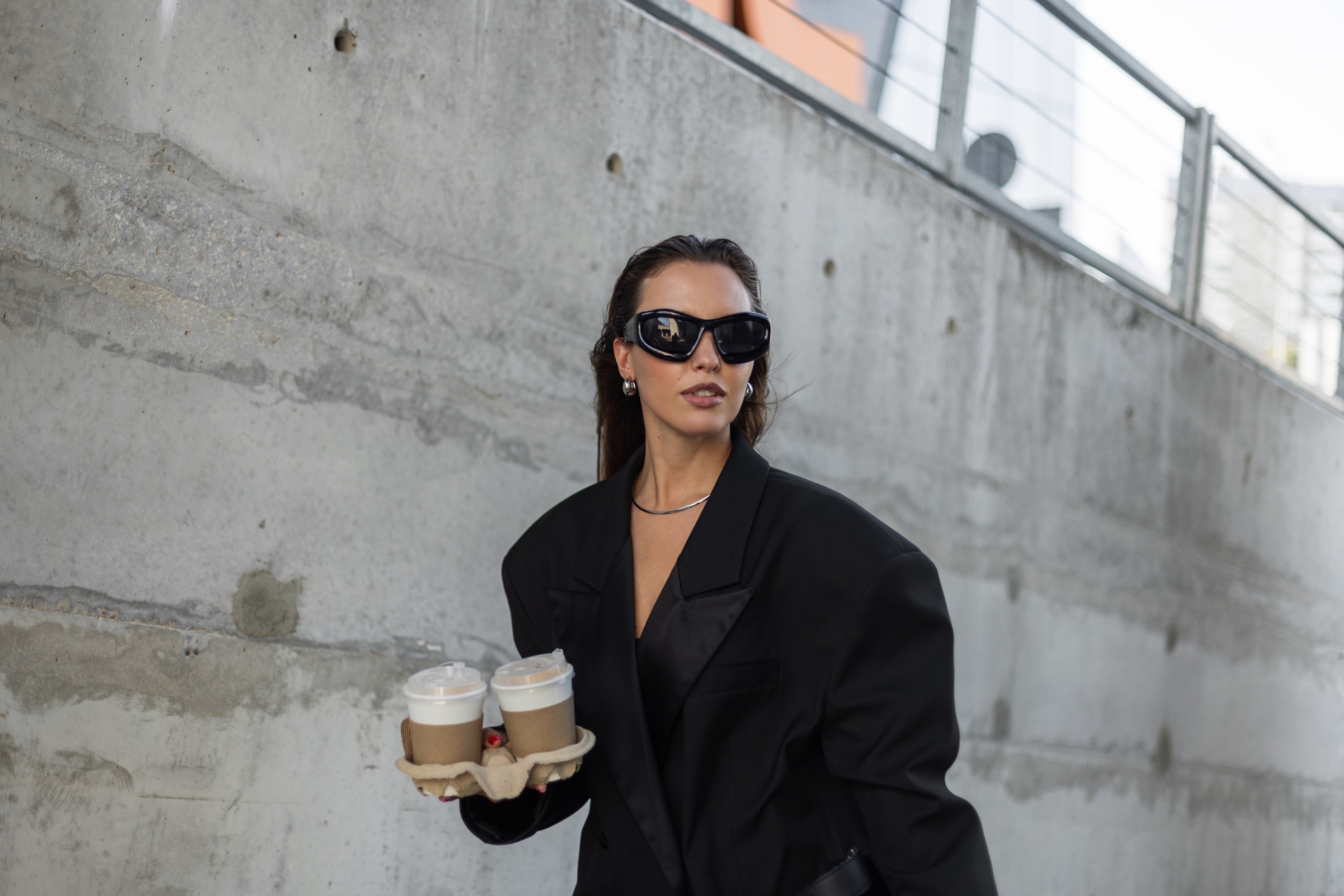
Luxury does not always need to announce itself. In recent years, a quieter form of luxury has taken center stage. One that values quality over visibility and intention over attention. Quiet luxury is not about trends or status symbols. It is about pieces that feel timeless, thoughtful, and deeply considered.
This approach speaks to people who want their style to feel personal rather than performative. The appeal lies in what is felt rather than what is seen.
What Quiet Luxury Really Means
Quiet luxury focuses on craftsmanship, materials, and fit. It avoids bold branding and flashy design. Instead, it relies on subtle details that only become noticeable over time.
These brands trust that the wearer understands quality. They do not rely on logos to prove worth. The result is clothing and accessories that age well and feel relevant beyond a single season.
The Shift Away From Loud Fashion
Fashion cycles have become faster and more visible through social media. With that came fatigue. Many consumers began craving calm in their wardrobes. Quiet luxury answers that desire by offering stability and confidence.
It reflects a mindset rather than a trend. Wearing something understated can feel grounding in a world filled with constant stimulation.
The Row
The Row is often cited as the modern face of quiet luxury. Founded by Mary Kate and Ashley Olsen, the brand is known for clean lines, refined silhouettes, and exceptional fabrics.
Nothing feels accidental. Pieces are designed to move effortlessly with the body and remain relevant year after year. The absence of logos allows the clothing to stand on its own.
Loro Piana
Loro Piana is built on material excellence. Known for cashmere, wool, and rare fibers, the brand focuses on how clothing feels rather than how it photographs.
Colors remain soft and neutral. Design stays classic. Wearing Loro Piana often feels like wearing comfort elevated to its highest form.
Bottega Veneta
Bottega Veneta built its reputation on the idea that craftsmanship speaks louder than branding. The brand’s signature intrecciato weaving is recognizable without needing a logo.
Even as styles evolve, the focus remains on leather quality and thoughtful design. The pieces feel modern while staying grounded in tradition.
Totême
Totême appeals to those who want polish without excess. The brand offers structured basics that work together seamlessly. Everything feels intentional and wearable.
Its strength lies in creating a wardrobe rather than individual statement pieces. Quiet luxury thrives on cohesion, and Totême understands that balance well.
Khaite
Khaite blends structure with softness. The brand creates pieces that feel strong yet approachable. Tailoring is sharp, but never rigid.
The appeal comes from how effortlessly the clothing fits into real life. It feels refined without feeling formal.
Why Quiet Luxury Resonates
Quiet luxury aligns with a desire for longevity. People are investing in fewer pieces and choosing better ones. They want items that feel relevant over time rather than tied to a moment.
This approach also reflects confidence. Wearing understated clothing suggests comfort with identity. There is no need to prove taste through visibility.
Quiet Luxury Is Not Minimalism
While the two are often confused, quiet luxury is not about having less. It is about choosing with care. Pieces may be simple in appearance but complex in construction.
The value lies beneath the surface. Stitching, fabric sourcing, and fit all matter deeply.
Who Quiet Luxury Is For
Quiet luxury appeals to people who value discretion and quality. It suits those who see clothing as an extension of lifestyle rather than performance.
It is not about blending in. It is about choosing not to shout.
Final Thoughts
Quiet luxury proves that elegance does not need volume. Brands that speak in a whisper invite closer attention. They reward patience and appreciation rather than instant recognition.
In a world full of noise, quiet luxury feels intentional, confident, and enduring.