
Building generosity from childhood sets a foundation for a lifetime
Teaching children to give is more than handing over money or volunteering once in a while. When philanthropy becomes part of family life, kids learn empathy, gratitude, and responsibility. Making giving a family value does not need to be complicated or expensive. It is about creating habits, having conversations, and showing through example that helping others is meaningful and rewarding.
Start Small, Start Early
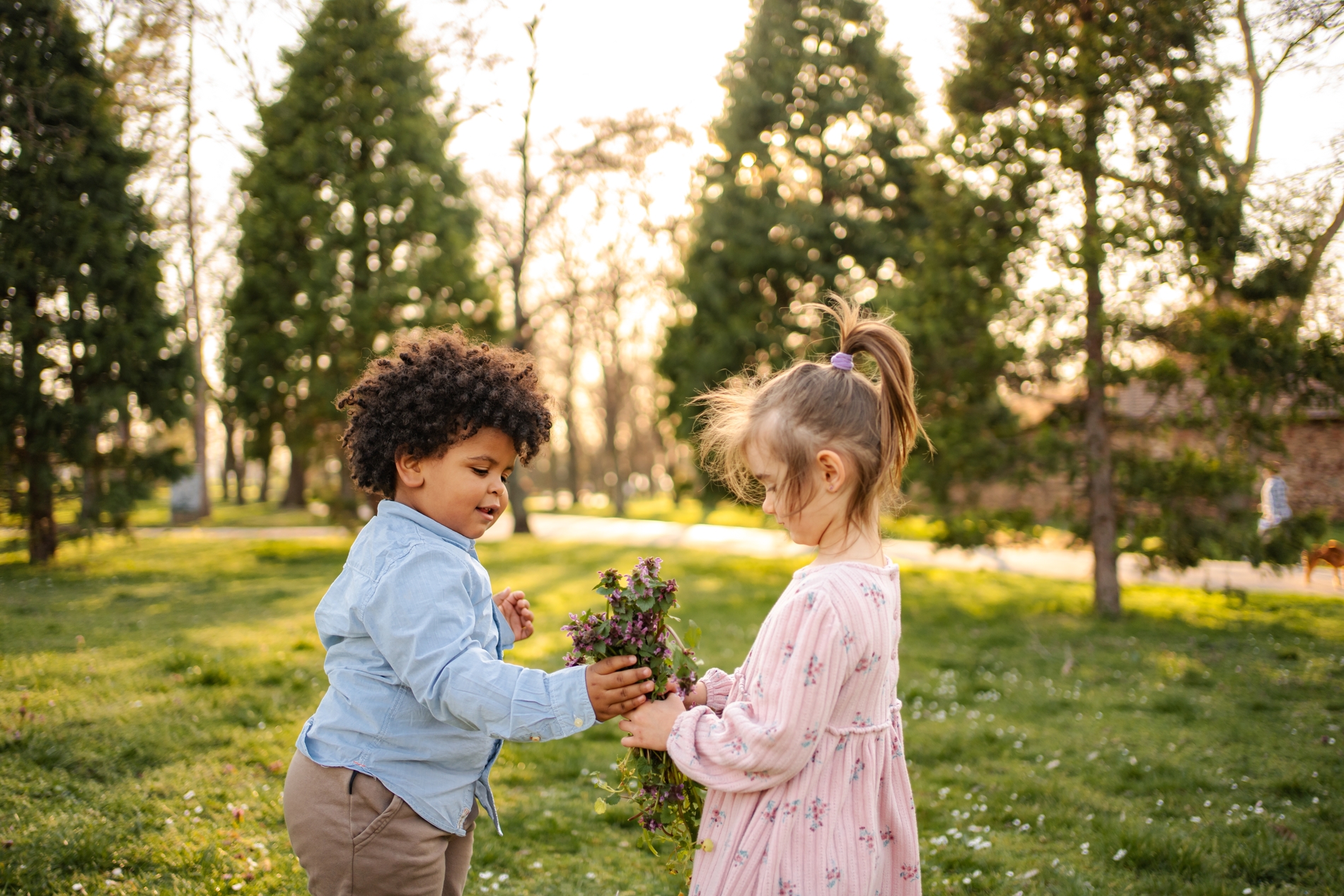
You do not need a big budget to begin teaching children about giving. Small acts matter just as much as larger ones. Donating a few gently used toys, setting aside part of their allowance, or helping a neighbor with a simple task can all be opportunities to show that generosity comes in many forms. Even sharing snacks with a friend or helping someone in need teaches children that giving is a natural part of everyday life. Starting early allows children to see that small actions still make a difference.
Let Kids Take Part in Decisions
Involving children in deciding how to help is one of the most effective ways to teach giving. Let them choose a cause they feel passionate about or an organization they want to support. It could be helping animals at a local shelter, contributing to a food drive, or joining a community project. Giving kids a voice in the decision makes the act personal and meaningful. They not only give, but also learn why their efforts matter and how their contribution can make an impact.
Lead by Example
Children pay close attention to what adults do. If parents volunteer regularly, donate, or prioritize helping others, kids are likely to follow. Sharing your experiences and explaining why you choose to give teaches children that generosity is a value to live by. Whether helping a neighbor, contributing to charity, or lending a hand at a local event, children learn by observing how giving is part of daily life.
Make Philanthropy Fun
Teaching giving does not have to be serious or formal. Turn acts of generosity into interactive family activities. You could create a donation chart to track contributions, celebrate milestones, or make volunteering a weekend adventure. Fun and engaging experiences help children associate giving with positive feelings. When giving is enjoyable, kids are more likely to repeat it, turning it into a lifelong habit rather than a chore.
Talk About the Experience
Reflection is important. After participating in a giving activity, discuss it as a family. Ask how it felt to help others, what they learned, and why it mattered. These conversations reinforce the emotional and ethical lessons behind philanthropy. Over time, children begin to understand the connection between their actions and the impact they have on others.
Expand Beyond Money
Philanthropy is not just about money. Teaching children to give time, effort, or kindness is equally valuable. Volunteering at a community garden, helping with local events, or checking in on neighbors are all ways to instill giving habits. Kids learn that generosity is about attention and care, not just financial resources.
Make it a Lifelong Value
By weaving philanthropy into family routines and showing children that their contributions matter, you create a foundation for a lifetime of giving. Early lessons in generosity help children grow into adults who think about the needs of others, appreciate what they have, and understand the power of even small acts of kindness.
Instilling the habit of giving from an early age does not just help those in need. It shapes thoughtful, compassionate, and responsible individuals who carry these values into adulthood. Philanthropy as a family value is one of the most powerful lessons you can give.