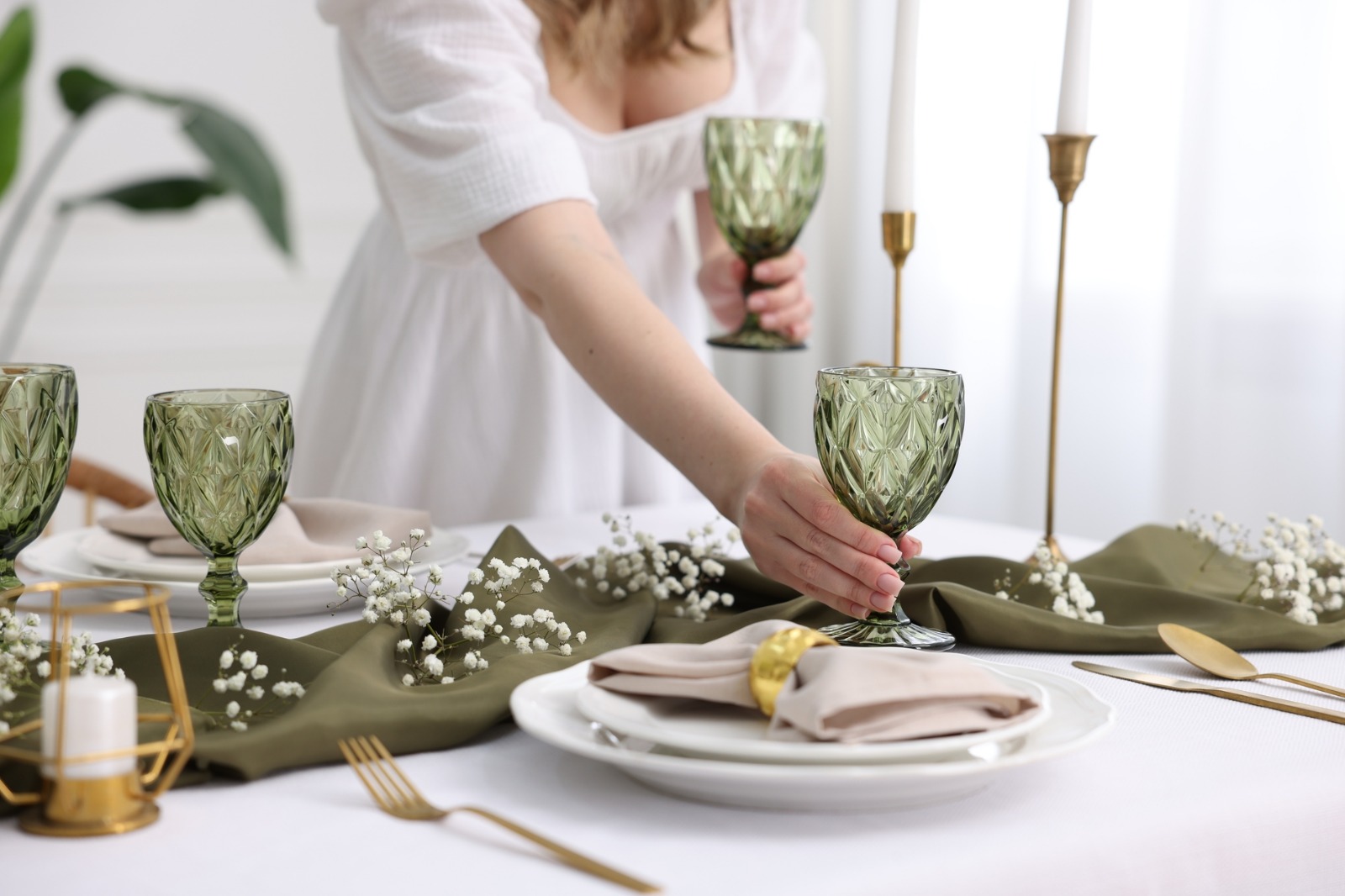

Cultivating taste through curiosity, confidence, and genuine enjoyment
A refined palate is not about status, vocabulary, or knowing the right thing to say at the table. It is about awareness, appreciation, and pleasure. True refinement feels natural and personal, never forced or performative. Developing taste is a quiet process shaped by experience, curiosity, and intention rather than rules or recognition.
This guide explores how to deepen your palate in a way that feels relaxed, elegant, and entirely your own.
Begin With Attention, Not Expertise
Refinement starts with noticing. Pay attention to what you enjoy and why. Flavor, texture, aroma, and balance matter more than labels or trends. Whether you are tasting olive oil, chocolate, wine, tea, or a simple home cooked dish, pause and observe how it feels. There is no need to name everything correctly. Awareness builds sensitivity over time, and sensitivity is the foundation of taste.
Let Curiosity Lead the Experience
A refined palate grows through exploration. Try new cuisines, unfamiliar ingredients, and regional preparations with an open mind. Ask questions quietly. Read menus with interest. Notice how flavors change across cultures and seasons. Curiosity keeps the experience light and sincere. It removes pressure and replaces it with discovery.
Focus on Quality and Context
Refinement is often shaped by quality and care rather than complexity. Fresh ingredients, thoughtful preparation, and balanced combinations create memorable experiences. A simple dish made well can be deeply satisfying when enjoyed in the right setting. Context also matters. Time, company, atmosphere, and mood influence how flavors are perceived. Refinement includes understanding that taste lives within experience, not isolation.
Trust Personal Preference
Taste is personal. A refined palate does not require liking everything considered elevated or rare. It requires honesty. Allow yourself to enjoy what resonates with you, even if it is understated or familiar. Confidence in preference is a form of elegance. When you trust your own enjoyment, there is no need to perform knowledge or seek validation.
Learn Gently and Naturally
Education supports refinement when approached with ease. Read thoughtfully written food essays, watch chefs explain their process, or attend tastings without pressure to speak. Listen more than you explain. Knowledge deepens appreciation when it enhances enjoyment rather than dominating it.
Practice Restraint in Expression
Refinement often shows itself in restraint. There is no need to analyze every bite aloud or turn meals into performances. Quiet appreciation carries more grace than commentary. When sharing thoughts, simplicity keeps conversations warm and inclusive. A sincere response feels more refined than elaborate description.
Allow Taste to Evolve
Your palate will change with time, experience, and mood. Allow this evolution without judgment. Growth in taste is gradual and intuitive, shaped by moments rather than milestones. A refined palate is not about impressing others. It is about cultivating pleasure with intention and humility. When taste is guided by curiosity, awareness, and confidence, refinement feels effortless. It becomes part of how you live, not how you present yourself.