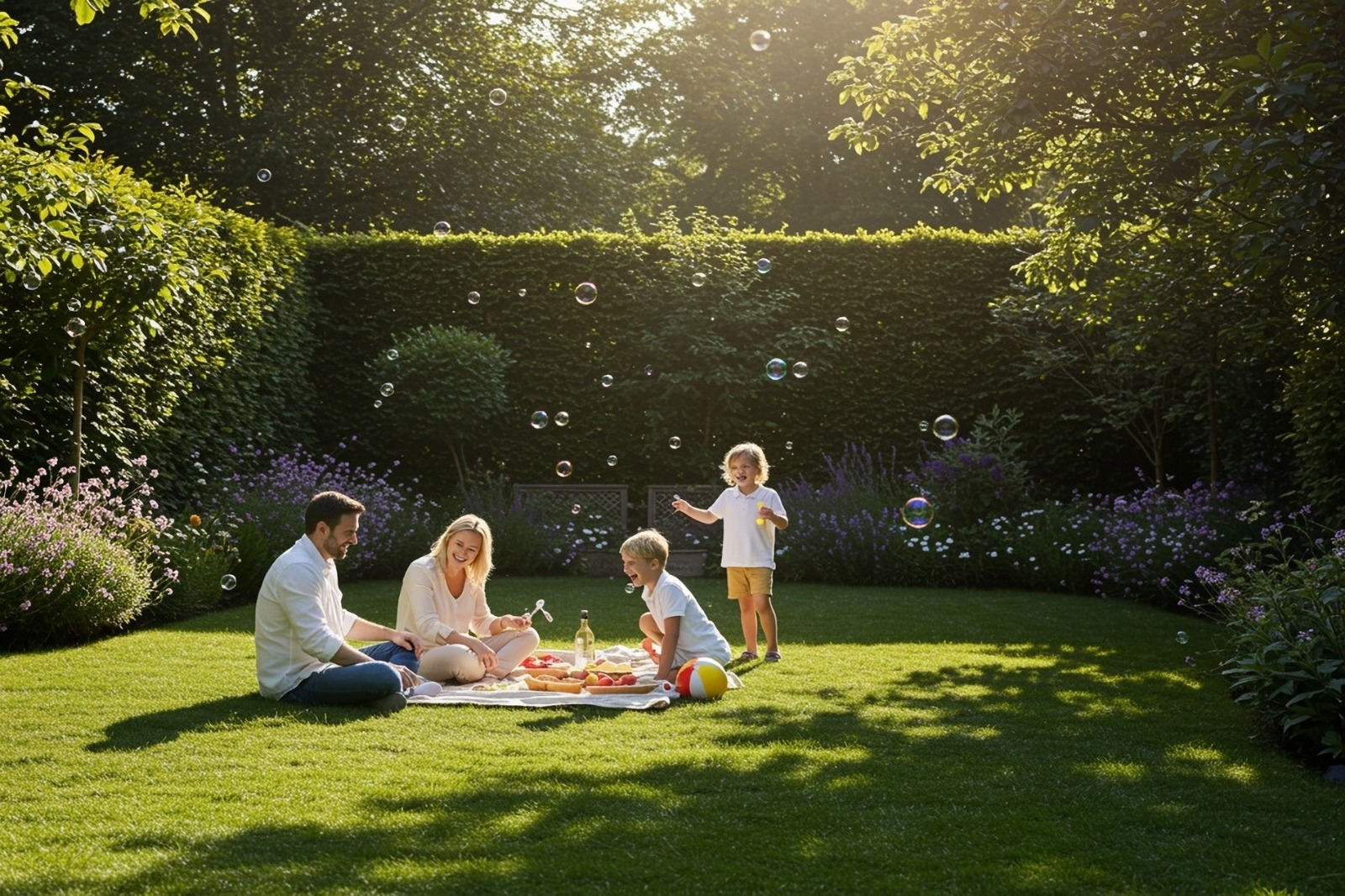

Building a positive relationship with food that lasts beyond childhood
Creating healthy eating habits for children is less about strict rules and more about consistency, exposure, and environment. Nutrition experts and child development specialists increasingly agree that long-term eating habits are shaped early, not through pressure, but through routine, modeling, and positive experience.
Healthy eating for kids begins with understanding that food is a learned behavior. Children observe how adults eat, talk about food, and approach meals. These daily signals shape how children relate to nourishment, choice, and balance.
Start With Routine, Not Restriction
Regular meal and snack times create structure and security. When children know when food is coming, they are less likely to overeat or resist meals. Predictable routines help regulate hunger cues and support digestion. Rather than banning certain foods, offering balanced meals consistently allows children to develop trust in food. When all foods are treated without fear or guilt, children learn moderation naturally over time.
Offer Variety and Repeated Exposure
Healthy habits grow through exposure. Children often need to see and taste new foods multiple times before accepting them. Initial resistance is normal and does not signal dislike. Offering a variety of fruits, vegetables, grains, and proteins alongside familiar foods reduces pressure. Even if a child does not eat everything on the plate, simply seeing new foods builds familiarity and comfort.
Patience plays a key role. Forcing or bargaining around food can create tension and long-term aversion.
Involve Kids in the Process
Children are more likely to try foods they help choose or prepare. Involving them in grocery shopping, washing produce, or simple cooking tasks builds curiosity and confidence. These small moments teach where food comes from and how meals come together. They also shift food from obligation to shared experience.
Model Healthy Behavior
Children learn most from observation. Eating meals together whenever possible reinforces positive habits. When adults show enjoyment of balanced meals, children are more likely to follow. Avoid labeling foods as good or bad. Neutral language supports a healthier mindset and reduces emotional associations with eating.
Keep Mealtimes Calm and Positive
A relaxed atmosphere supports better eating. Turning off screens and sitting together encourages awareness and conversation. Mealtime should feel safe and unrushed. Pressuring children to clean their plates can override natural hunger signals. Allowing them to stop when full builds trust in their bodies.
Balance Nutrition With Flexibility
Healthy eating includes flexibility. Treats and special foods can exist within a balanced pattern without becoming rewards or punishments. This balance helps prevent food anxiety and secrecy later in life. Nutrition works best when it supports joy as well as health.
Building Habits That Last
Healthy eating habits for kids are built slowly through repetition, example, and environment. The goal is not perfect meals, but a positive relationship with food. When children feel supported rather than controlled, they develop skills that last well beyond childhood. Through routine, variety, and patience, healthy eating becomes a natural part of everyday life rather than a struggle.