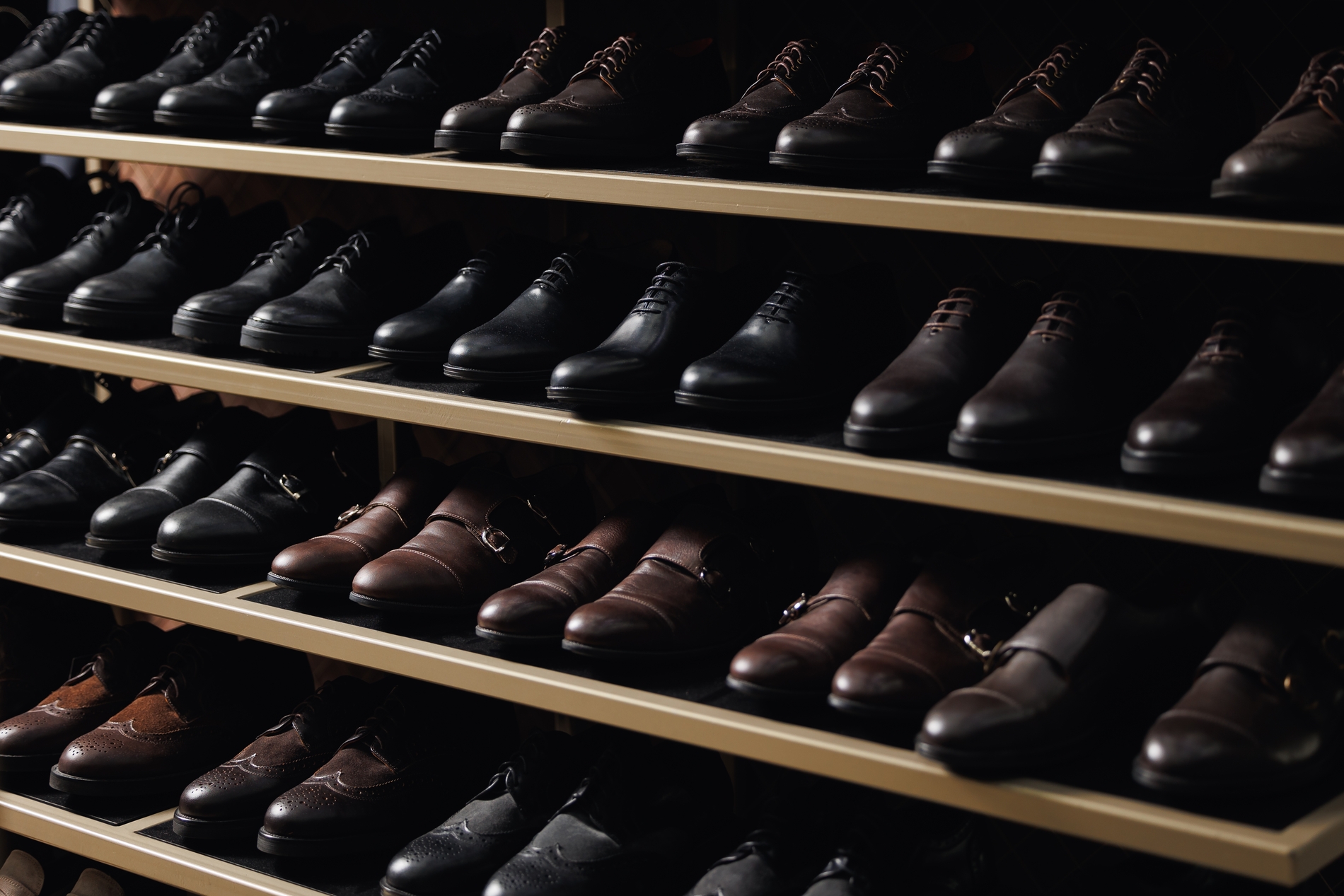

Made for your feet, your lifestyle, and your personal style, custom footwear turns an everyday essential into something worth keeping.
Most of us buy shoes based on standard sizes.
We find a style we like, try the closest size, walk around for a few minutes, and hope they’ll still feel comfortable several hours later.
Custom footwear approaches things differently.
Rather than expecting your feet to adapt to a shoe, the shoe is created around you. From measurements and materials to shape and finishing details, the experience is much more personal.
It can cost considerably more than buying a regular pair, but for the right person, custom footwear can be an investment rather than simply another purchase.
The Fit Is the Biggest Difference
The main reason people choose custom shoes is fit.
Feet aren’t perfectly identical. One may be slightly wider or longer than the other, and standard sizing can’t always account for those differences.
Custom shoemakers can consider individual measurements, proportions, arch shape, and other details when developing the shoe.
This becomes particularly valuable if you regularly struggle to find comfortable ready-made footwear.
A beautiful shoe isn’t particularly useful if you avoid wearing it because your feet hurt after an hour.
Bespoke and Made-to-Measure Are Different
Not every custom shoe is created completely from scratch.
Made-to-measure footwear generally begins with an existing design or base shape that is adjusted according to the customer’s measurements and preferences.
Bespoke footwear goes further.
A shoemaker may create an individual last, the foot-shaped form around which the shoe is constructed, specifically for the customer.
That additional work is one reason true bespoke shoes can become considerably more expensive.
Understanding what you’re actually paying for is important before placing an order.
You Have More Control Over the Design
Custom footwear isn’t only about comfort.
It’s also an opportunity to create something that feels genuinely personal.
Depending on the maker, you might choose the leather, color, sole, lining, stitching, hardware, toe shape, and other finishing details.
You could order understated black shoes designed for work or something much more distinctive that would be difficult to find in a regular store.
The best approach is usually to think beyond current trends.
If you’re investing significantly in one pair, choose something you’ll still want to wear years from now.
Materials Matter
A custom label doesn’t automatically guarantee exceptional quality.
Pay attention to the materials being used.
High-quality leather, durable soles, comfortable linings, and careful construction can all influence how the shoe looks and ages.
Ask questions about where materials come from and how the shoes are made.
A good maker should be comfortable explaining the construction process rather than relying entirely on words such as handmade or luxury.
Good Shoes Should Be Maintainable
One of the advantages of well-constructed footwear is that it may be possible to repair rather than replace it.
Depending on how the shoe is made, worn soles and heels can potentially be replaced while the main structure remains intact.
Regular maintenance matters too.
Clean your shoes properly, condition appropriate materials, use shoe trees where recommended, and avoid wearing the same pair constantly.
A beautiful pair of custom shoes still needs looking after.
Expect the Process to Take Time
Custom footwear isn’t usually something you order today and wear this weekend.
There may be consultations, measurements, design decisions, fittings, adjustments, and waiting periods while the shoes are made.
For bespoke footwear, the process can be even longer.
That’s part of the experience.
You’re paying for someone’s time and craftsmanship as much as you’re paying for the final pair.
Consider Cost Per Wear
The initial price can make custom footwear seem extravagant.
But cost per wear gives you another way to think about the purchase.
A $100 pair worn ten times effectively costs $10 per wear. A much more expensive pair worn regularly for many years can gradually become better value than repeatedly replacing cheaper shoes you never completely loved.
Of course, that only works if you actually wear them.
Custom shoes shouldn’t spend their entire lives inside a beautiful box.
Know When Custom Is Worth It
Not every shoe in your wardrobe needs to be custom made.
Trainers, seasonal trends, and casual footwear may be perfectly suited to standard retail options.
Custom footwear makes more sense for pieces you expect to wear regularly or keep for years.
Think classic work shoes, loafers, formal shoes, boots, or special-occasion footwear.
Ultimately, investing in custom shoes is less about owning something expensive and more about owning something considered.
A pair created specifically for you should fit comfortably, suit your wardrobe, and become better known to your feet every time you wear it.
And that’s a very different experience from simply choosing your size from a shelf.