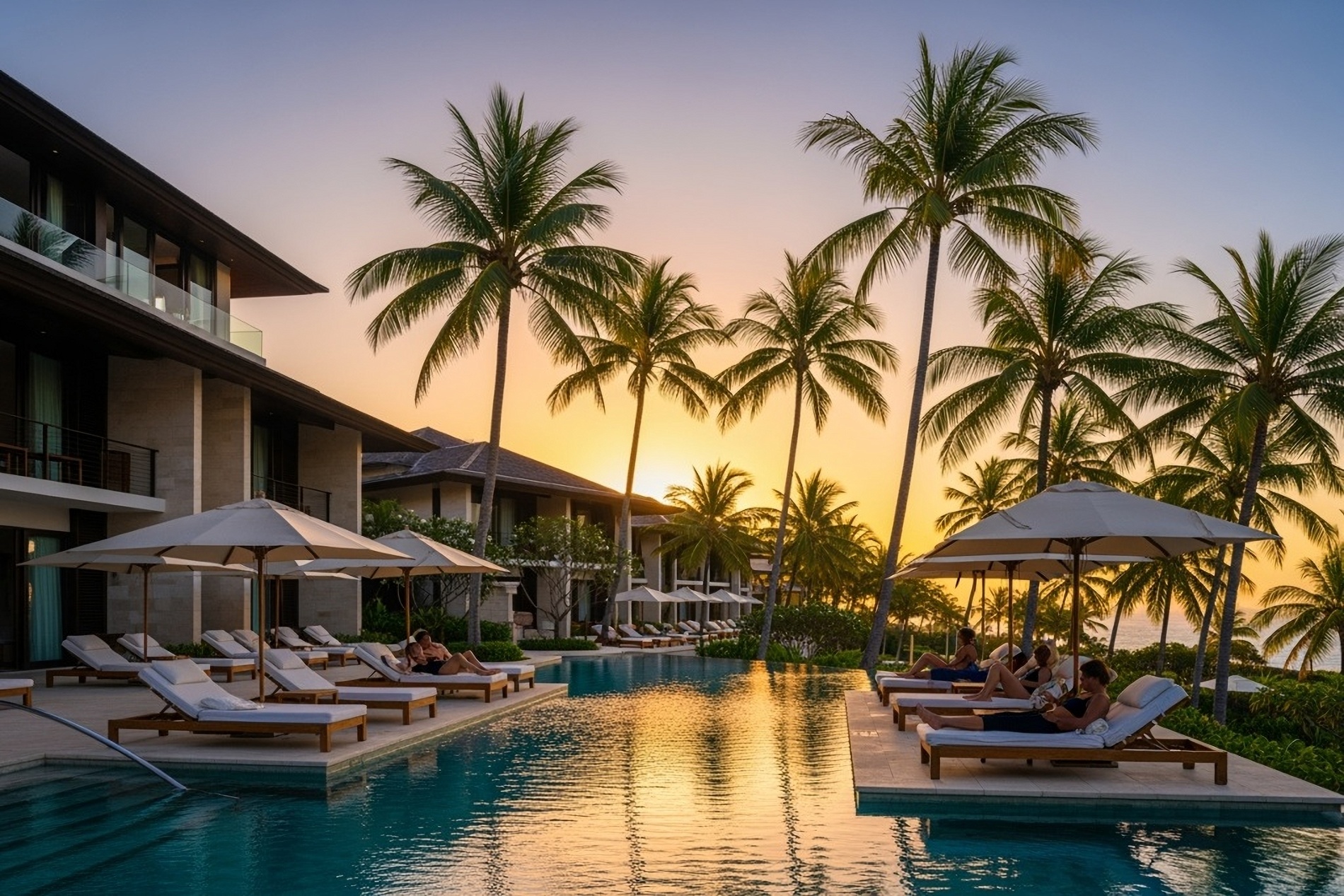

Destinations that promise privacy, wonder, and experience over crowds
Travel for the ultra wealthy has always been about something special: landscape, culture, freedom, and ease. In 2026, that instinct has sharpened further. Instead of crowded hotspots or traditional bucket lists, high net worth travelers are choosing places that feel both rare and meaningful. These are destinations where time slows, luxury feels natural rather than staged, and the journey becomes part of the experience.
Here’s a look at where the ultra wealthy are heading this year and why it matters to the future of travel.
1. Svalbard, Norway — Arctic Calm and Polar Solitude
Forget crowded winter resorts. Svalbard is drawing affluent travelers who want silence, snow, and a kind of sublime isolation. Arctic cruises, private safaris, and northern lights viewing combine rugged beauty with high end comfort. The silence here is part of the appeal — pristine landscapes that offer space rather than spectacle.
2. Bhutan — The Kingdom of Happiness
Bhutan’s approach to tourism remains deliberate and low volume. Daily visitor quotas paired with a daily sustainability fee make travel here both exclusive and intentional. Ultra wealthy travelers are drawn to its spiritual rhythm, sweeping mountain vistas, and cultural depth. Wellness, meditation, and hiking aren’t luxuries here — they are part of daily life.
3. Patagonia — Wilderness With Purpose
Patagonia has long been on adventurers’ radars, but in 2026 it has become a premier slow travel destination for those who want wild beauty without crowds. High end lodges, private guided treks, glacier tours, and bespoke experiences make this region feel intentional rather than overwhelming. The payoff here is perspective, not speed.
4. Socotra, Yemen — An Alien Landscape
Remote, surreal, and unlike anywhere else on Earth, Socotra is growing quietly as a destination for affluent travelers seeking true novelty. Its dragon blood trees, white deserts, and hidden beaches feel otherworldly. Travel here requires planning and local partnerships, which only adds to its allure for those who value authenticity over popularity.
5. Amalfi Coast & Capri — Reimagined Elegance
Luxury travel to the Amalfi Coast and Capri remains timeless, but the way travelers experience it is changing. Ultra wealthy visitors are opting for extended villa stays with private chefs, day charters to lesser known coves, and locally led cultural explorations. The goal is less “see everything fast” and more “live here for a moment.”
6. Rwanda — Conservation and Connection
Rwanda’s appeal in 2026 centers on wildlife, community engagement, and conservation tourism. Gorilla trekking, luxury tented camps, and cultural exchanges create a travel experience that feels purposeful. Affluent travelers are increasingly drawn to destinations where their presence supports local economies and sustainable practices.
7. Cook Islands — Seclusion Meets Luxury
Beyond its turquoise lagoons and pristine beaches, the Cook Islands offer privacy that money alone can’t buy. Small resorts, private islands, and limited tourism infrastructure make it ideal for travelers who want to be exceptionally present and rarely interrupted. Here, luxury means peace, shade, and space.
8. Kyoto & Japanese Countryside — Culture in Silence
Kyoto remains a cultural centerpiece, but 2026’s luxury travel trends stretch deeper into Japan’s countryside. Private stays in ryokans, seasonal tea ceremonies, and regionally focused journeys connect travelers with history and craft. Slow, mindful travel resonates here more than fast itineraries.
9. Greenland — Ice, Water, and Sky
Greenland’s dramatic fjords and vast ice fields have always been striking, but now they’re being seen by travelers who want open horizons with upscale service. Custom tours, helicopter sight-seeing, and luxury lodges elevate the experience, keeping the focus on scale and serenity rather than crowds.
10. Galápagos — Tailored Journeys
The Galápagos Islands remain a favorite for wealthy travelers, but the trend in 2026 is bespoke exploration. Small expedition yachts, private naturalist guides, and conservation-focused itineraries allow visitors to see rare wildlife up close without the feel of mass tourism.
What This Shift Really Means
Ultra wealthy travel in 2026 reflects a broader shift. Experiences that feel rare, deep, or restorative are valued far more than checked-off lists. Privacy, intentional movement, and connections with culture or nature are emerging as priorities over novelty alone.
Travel is no longer about simply going far. It is about being present, choosing pace over pressure, and letting destinations unfold rather than rushing through them.
Final Thoughts
The new grand tour is not defined by a map. It is shaped by the kind of experiences people want to carry with them long after the trip ends. Whether it is remote islands, ancient kingdoms, or vast icy landscapes, these destinations reveal a core truth about modern travel: the best journeys feel personal, unhurried, and deeply human.